-(2).svg)
.svg)
Announced in 2026, the Warm Homes Plan introduces £15 billion of government funding to upgrade up to 5 million homes in England by 2030. We explain what this means for you and your home.

On 21 January 2026, the government published the Warm Homes Plan (WHP) – a £15 billion funding package it says will “help millions of families benefit from solar panels, batteries, heat pumps and insulation that can cut energy bills.”
In its announcement, the government said the plan would “help lift up to one million families out of fuel poverty and tackle long-term energy costs” by introducing grants to fund energy efficient upgrades for up to 5 million English homes.
What is the Warm Homes Plan?
The WHP sets out the Labour government’s plan to help millions of householders in England access clean energy technology upgrades for their homes.
It is complemented by the Future Homes Standard (FHS), which details energy efficiency measures for new build homes constructed in England from 2028.
The support available under the WHP falls into three broad categories:
1. Support for low-income families
The WHP makes direct provision for free-of-charge home upgrades for low-income households. What individual householders are able to access will depend on the upgrades that make the most sense for their home. For example, a family on a low income could have solar panels installed on their property free of charge (currently valued at £9,000-£12,000).
2. An offer for everyone
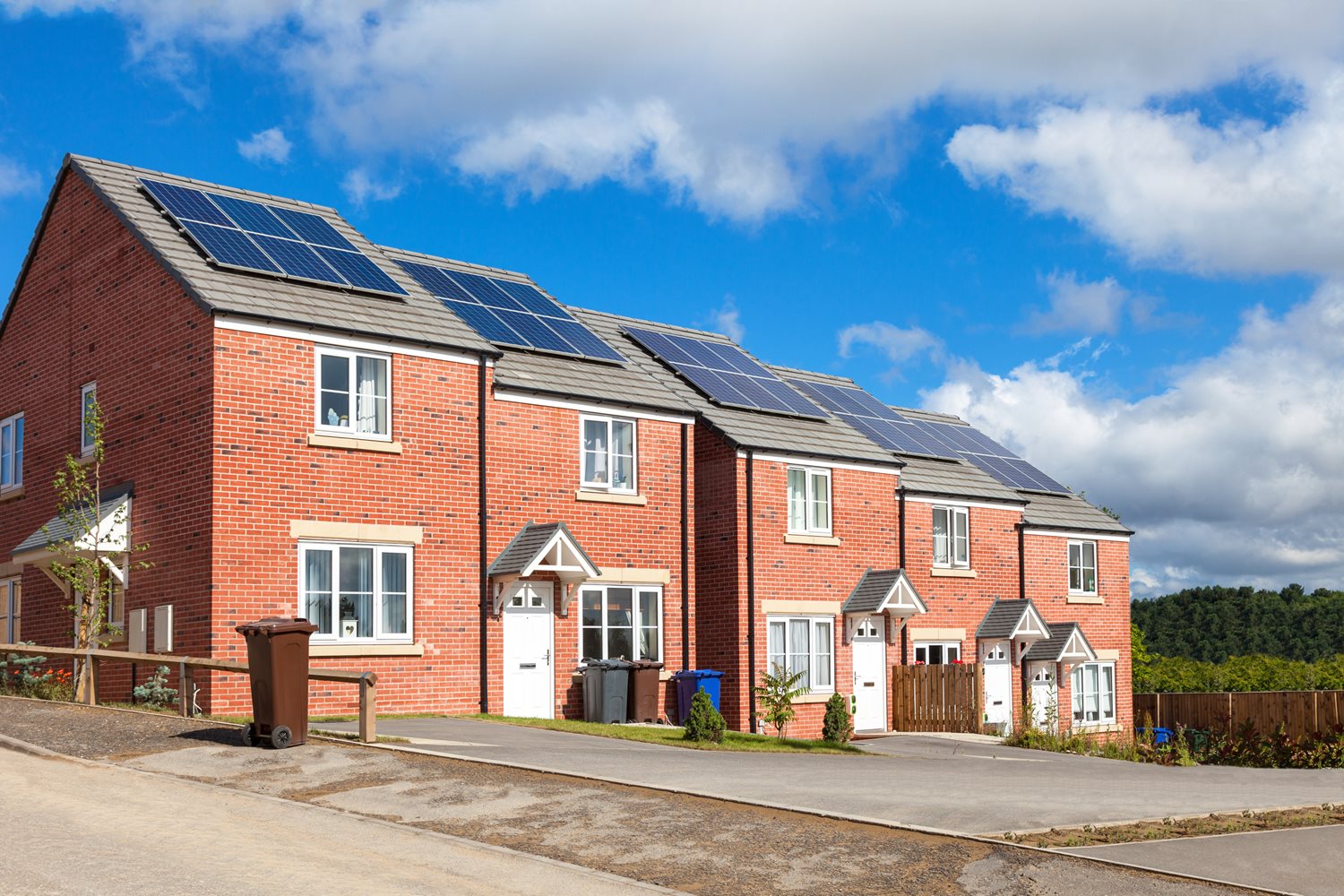
A government-backed, low- and zero-interest loan programme will be introduced for all homeowners to encourage them to invest in solar panels. New homes will also now come with solar panels by default. The government says this will triple the number of homes with rooftop solar panels by 2030.
In addition, the Boiler Upgrade Scheme (BUS) will continue to offer grants of up to £7,500 for households looking to replace their gas boiler with clean heating systems like heat pumps. The technologies covered by the grant will increase, with ‘air-to-air’ heat pumps set to be offered for the first time. These systems provide cooling as well as heating to keep your home comfortable all year round.
3. New protections for renters
According to government figures, 1.6 million children currently live in homes affected by cold, damp, or mould.
By enabling landlords to access home upgrades, it’s estimated half a million renting families will be lifted out of fuel poverty by the end of the decade.
Why is the Warm Homes Plan needed?
In the WHP, the government outlined its reasons for investing so heavily in clean energy for UK homes.
1. The impact of geopolitical volatility on energy prices
Firstly, it nodded towards today’s volatile geopolitical landscape, which is causing instability in fossil fuel prices, impacting supply chains, and contributing to high energy bills, energy insecurity, and fuel poverty.
2. The health cost of fuel poverty
The government pointed to the link between fuel poverty and our physical and mental health. Cold and damp homes have a negative impact on our wellbeing; in 2021, the Building Research Establishment (BRE) found the NHS was spending £900,000 every year on treating illnesses related to living in these poor conditions.
3. Climate change
Retrofitting the nation’s homes won’t just help reduce the UK’s carbon emissions and contribute to achieving the government’s net zero target by 2025. It will also ensure our homes and buildings are equipped to cope with the reality of climate change. Many of our buildings simply aren’t built to deal with record summer temperatures, which could increase the risk of overheating amongst vulnerable individuals such as children and the elderly.
4. Lack of access to home upgrades
The upfront cost of installing renewable technologies is out of reach for many householders, particularly those who stand to benefit the most. Families who are reliant on very expensive means of heating their homes, such as storage heaters or inefficient direct electric heating, are often deep in fuel poverty, and are unable to afford the kinds of upgrades that could make so much difference to their quality of life.
How to access Warm Homes Plan energy efficiency upgrades
Funding for energy efficiency measures outlined in the WHP will be delivered through a range of funding mechanisms, which we’ve detailed below.
Warm Homes: Local Grant
Funding for low-income families in England is currently delivered through the Warm Homes: Local Grant.
Eligible families can apply to their local council for fully funded home improvements like:
- wall, loft, and underfloor insulation
- air source heat pumps
- smart controls
- solar panels.
To be eligible, you must:
- live in England
- own your property (either as an owner occupier or a landlord)
- have an Energy Performance Certificate (EPC) of D or lower
- have a household income of £36,000 per year or less.
If you don’t fulfil all these requirements, you may still be able to get funding if you live in certain areas or a member of your household is in receipt of certain benefits.
Families in Scotland, Wales, and Northern Ireland may be able to access funding from alternative sources, such as Home Energy Scotland, Nest (Wales), or energy saving grants (Northern Ireland).
Warm Homes: Social Housing Fund
The Warm Homes: Social Housing Fund Wave 3 is a matched funding scheme designed to help social housing providers retrofit social housing stock, improve energy efficiency, and upgrade heating systems.
From 2027/28, the government plans to integrate the Warm Homes: Local Grant and the Warm Homes: Social Housing Fund into a single scheme, shifting towards area-based delivery. The government says it will provide more information on the future of low-income schemes later in 2026.
Boiler Upgrade Scheme
Available for homeowners living in England and Wales, the Boiler Upgrade Scheme is accessible to all homeowners living in England and Wales. Scottish residents may be able to access funding through Warmer Homes Scotland. Although the Boiler Replacement Scheme in Northern Ireland is now closed, residents may still be able to apply for funding through an energy saving grant.
The Boiler Upgrade Scheme offers grants of up to £7,500 to homeowners looking to replace fossil fuel heating systems with clean alternatives such as heat pumps.
Low- and zero-interest loans
The government intends to allocate £1.7 billion to low- and zero-interest loans, in addition to £300 million of other funding.
The exact mechanism for delivery hasn’t yet been formalised, and the government has launched a call to evidence to seek input on exactly what the scheme will look like. However, the vision it sets out will see the government making this funding available to lenders who apply to participate in the scheme, who will be able to deliver it through a range of low-cost finance solutions.
The importance of using a certified installer
Access to government grants is usually dependent on using approved installers. For example, to access the Boiler Upgrade Scheme you must use an installer certified on the Microgeneration Certification Scheme (MCS). MCS sets the standards for low-carbon installations, with accredited certification bodies like NICEIC delivering the scheme for businesses.
NICEIC has thousands of businesses certified on its MCS Installer Scheme, all of which are rigorously assessed to ensure they are complying with the latest installation standards and regulations.
Even if you aren’t eligible for government funding, using an MCS-certified installer gives you peace of mind your installation will be safe and compliant.
You can find an MCS-certified installer with NICEIC’s Find a Trusted Tradesperson tool.