-(2).svg)
.svg)
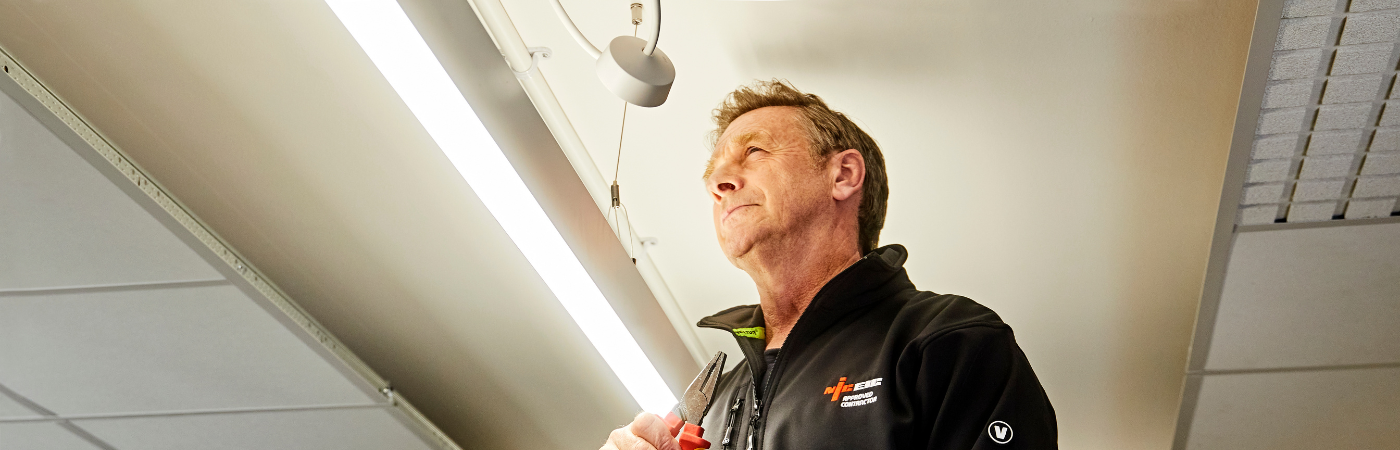
Good lighting is one of the best ways to turn your house into a home. Whether you’re looking to install standard ceiling light fittings to brighten your home, or atmospheric downlights for a cosy, relaxed space, this guide is for you.
The NICEIC electrical experts outline the different types of light fittings available, considerations you need to be aware of when installing a light fitting, and why you should be hiring a registered electrician to help you get the job done safely.
What are the different types of light fittings?
The type of light fitting you choose will depend on the layout of your home and the interior design look you’re going for. Here are some of the most common types.
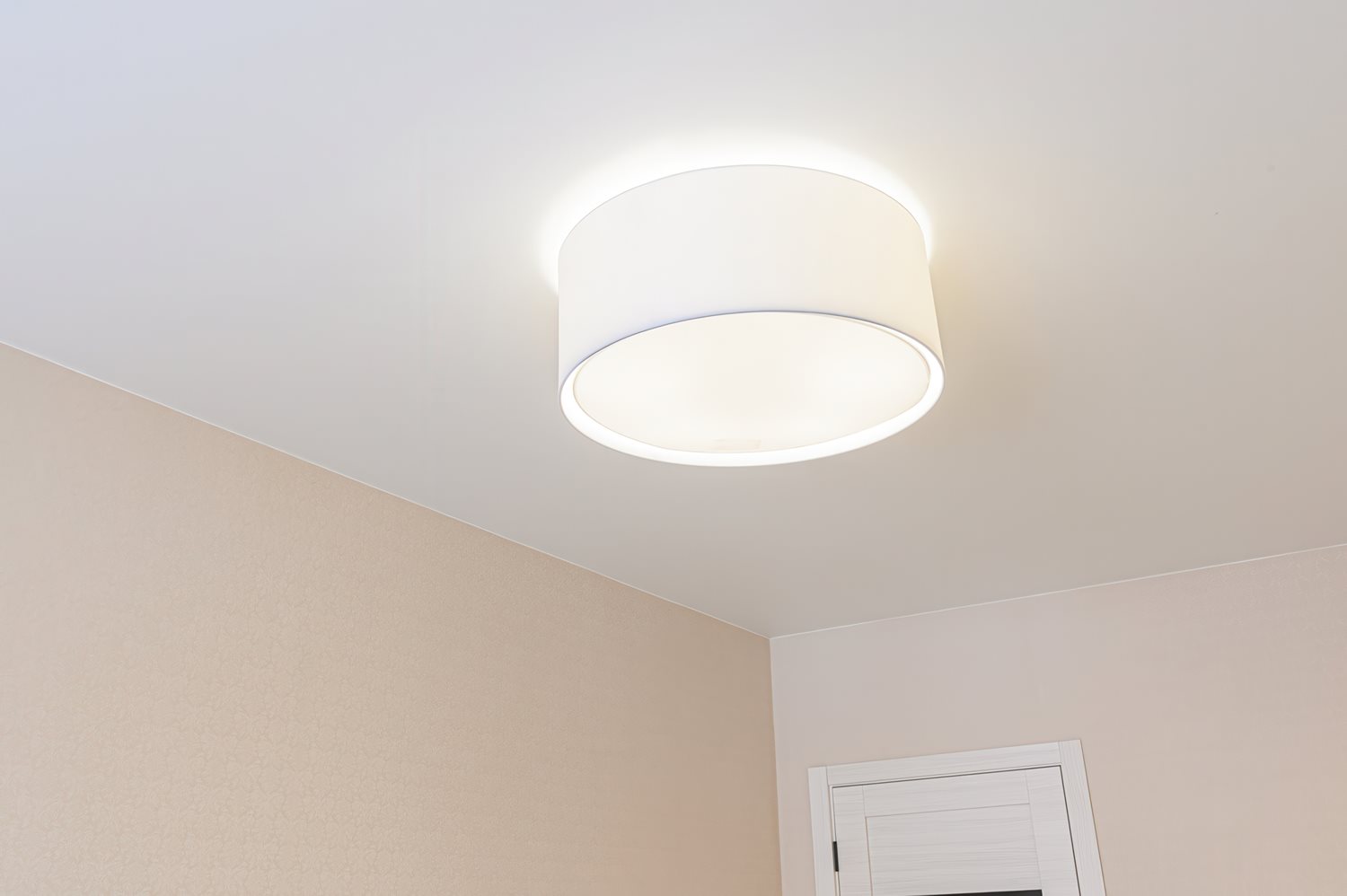
Surface mounted lights
These lights are fitted directly onto a flat surface (like a ceiling) and extend away from the surface. They’re highly versatile, come in a wide range of shapes and sizes, and are particularly suitable for settings where recessed lights aren’t an option.
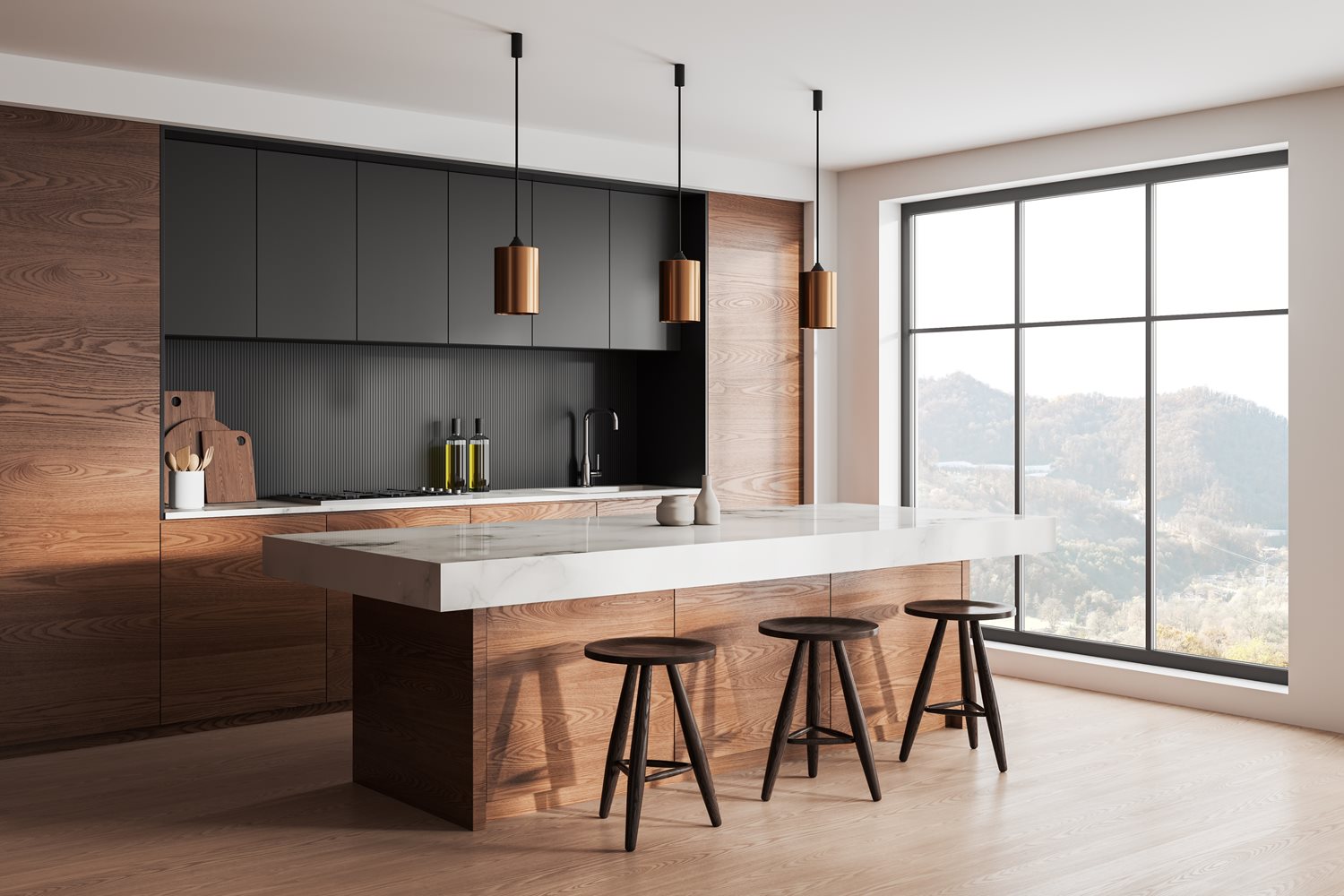
Pendant lights
Pendant lights can look great in any room but are most frequently installed over dining tables or kitchen islands as a statement feature. They are suspended from the ceiling by a cord, chain, or metal rod, ending in either a single or multiple lightbulbs.
.jpg)
Recessed lights
Also known as downlights, recessed lights are installed inside a ceiling, rather than onto the surface. They can be more complicated to install, as your electrician will have to cut into your ceiling to fit them. You might also need to have your ceiling patched or repainted after the installation is finished.
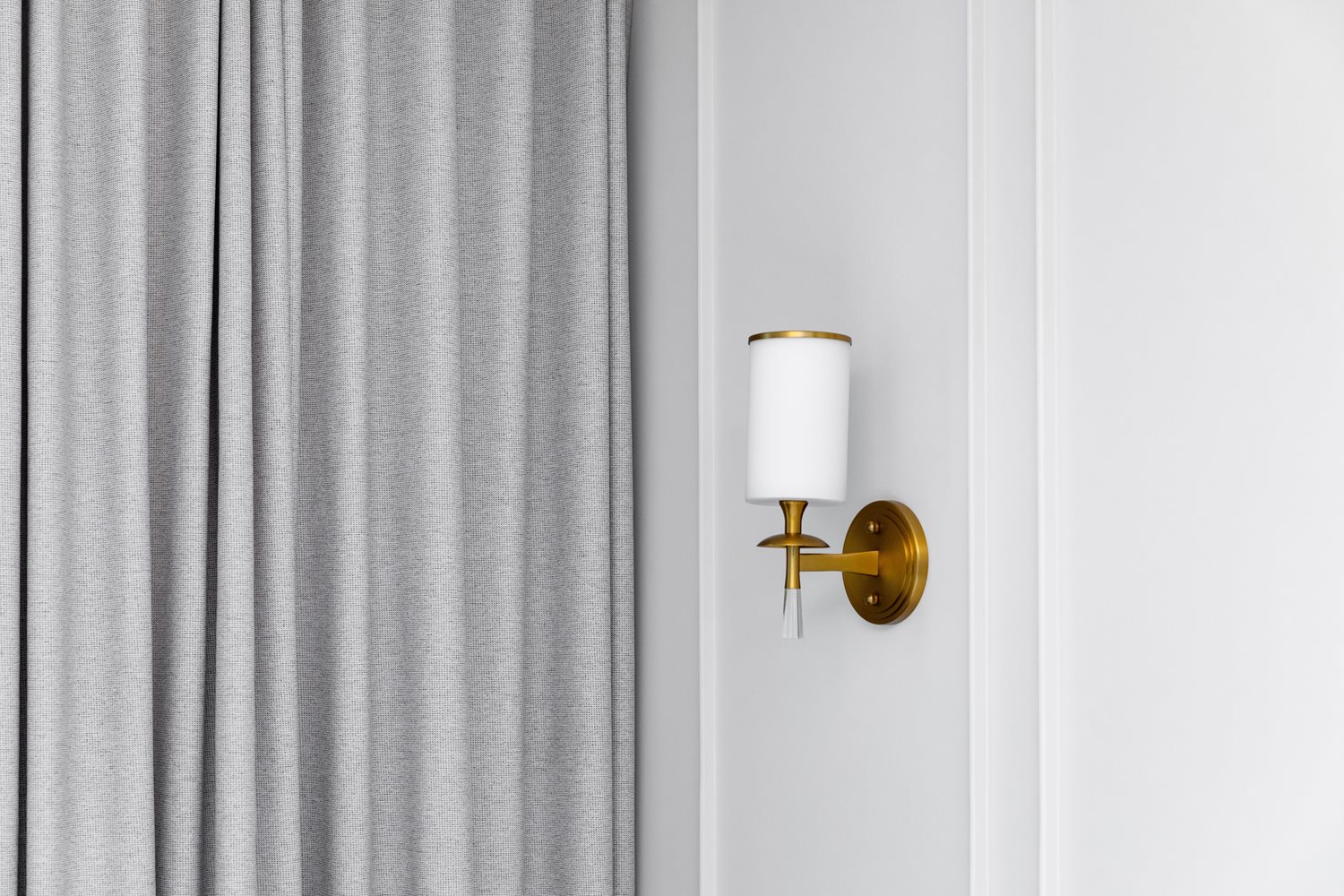
Wall sconces
Wall sconces are mounted, as the name suggests, on your wall and are a great option for decorative and accent lighting. They can be great space-savers, as they don’t take up space on the floor unlike floor or table lamps.
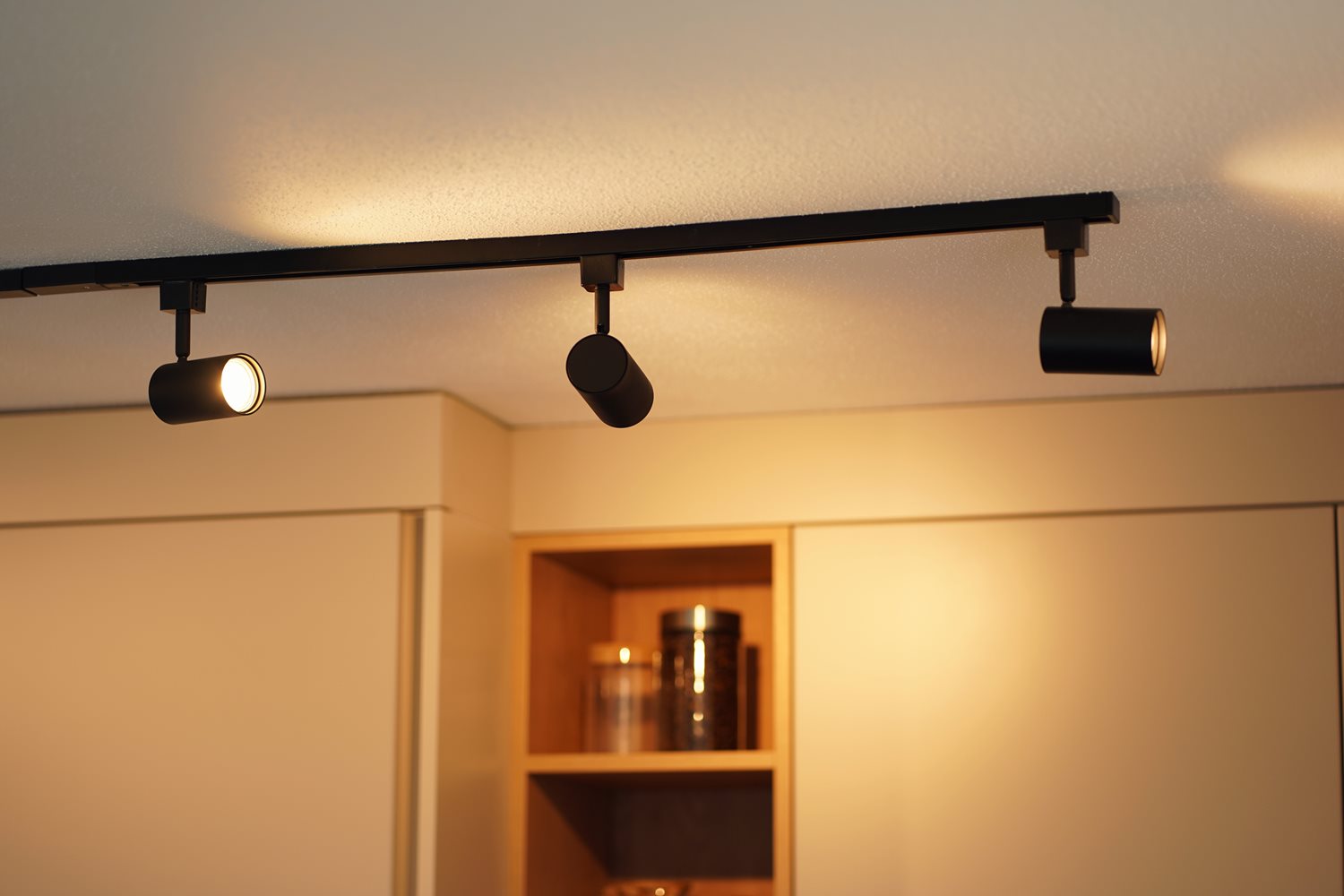
Track lights
Track lighting consists of multiple light fittings attached to a track on the ceiling or wall. The main benefit of track lighting is that you can install, remove, and reposition multiple light points along the installed track, without having to alter your home’s existing electrical system.

How easy is it to change a light fitting?
Changing out an existing light fitting can be easier than installing one from scratch, as the wiring and switches you need to supply and control the light are already in place. However, it still involves disconnecting and reconnecting electrical wiring, which can be dangerous if you don’t know what you’re doing.
Because of the potential safety issues involved, we’d always recommend using a registered electrician to change your light fittings. This will help prevent any accidents, keep you, your family, and your home safe, and minimise the risk of mistakes and potentially expensive repair work down the line – according to NICEIC research, homeowners spend around £5 billion a year getting in professionals to repair botched DIY jobs.
Do you need an electrician to install a light fitting?
Wiring a light fitting and light switches from the ground up is a highly involved electrical task. It often means routing cables through walls above ceilings and under floors, and cutting into ceilings. This kind of work can be extremely dangerous and demands a high level of expertise and experience. For these reasons, NICEIC strongly advises that you use a qualified electrician for any new lighting installation.
Furthermore, changing or installing light fittings can in some cases be notifiable work under Part P of the Building Regulations in England and Wales (or, if you live in Scotland, you’ll need a warrant to comply with Building Standards).
Installing a light fitting is considered notifiable work when:
- you’re re-wiring or installing a new domestic lighting circuit
- you’re working in ‘special locations’ like bathrooms or (in Wales) kitchens.
This means the work legally needs to be notified to your Local Authority Building Control, which can be time-consuming and expensive. Another option is to use an electrician who is registered on a competent person scheme (CPS) – or the Approved Certifier of Construction Scheme in Scotland – meaning they can self-certify that their work meets the relevant standards. This is often a more cost-effective option for homeowners.

How much does it cost to install light fittings?
As always, this is a difficult question to answer because the cost of any electrical work is dependent on lots of different factors.
- The cost of the fitting itself – a basic ceiling light might be less expensive than an ornate chandelier, for example.
- The type of light fitting – recessed light fittings will likely be more expensive to install because of the additional ceiling work required.
- How many light fittings you are having installed – if you’re only having one or two fittings installed in your living room, this will cost less than having your whole house done.
- New vs existing wiring – if you’re having the fitting replaced (and therefore the wiring is already in place), this will cost less than having one fitted in a new location (which will need more extensive wiring work).
- Labour costs – different electricians will charge different prices for labour. You can use NICEIC’s Find a Trusted Tradesperson tool to send a job request out to multiple electricians for a quote, enabling you to shop around.
It’s not really the light fitting itself that’s energy efficient, but the type of lightbulb (or lamp, as electricians call them) you use with it. Light emitting diodes (LEDs) are now the most common type on the market and use 80% less electricity than traditional halogen bulbs. They can also last up to 20 times longer.
Although the vast majority of halogen bulbs have now been replaced by LED lighting (having been banned in 2021), calculations from the Energy Saving Trust suggest that the average UK household could save £45 per year by replacing the remaining halogen bulbs in their home with LEDs.
If you’re looking for a ballpark figure, then a standard light fitting can usually be installed in about one or two hours. However, there are a lot of factors that may contribute to the duration being longer or shorter, for example:
- the type of light fitting being installed
- whether it’s a simple light fitting swap or you’re having a new light point installed in a new location
- how many light fittings you’re having installed
- the age and structure of your home.
Your electrician will be able to give you a better idea of how long the installation might take for your particular circumstances.